Introduction
Sun protection is one of the most important steps in any skincare routine, especially for oily skin. Many people avoid sunscreen because they fear greasiness, clogged pores, or breakouts. However, skipping sun protection can lead to premature aging, uneven skin tone, pigmentation, and long-term skin damage.
Finding the right sunscreen that offers protection without heaviness is essential for maintaining healthy and balanced skin. Many consumers searching for the QHC Sunblock In Pakistan often struggle with formulas that feel too oily or leave a white cast. The key is choosing lightweight, non-comedogenic, and oil-free formulations that suit oily and acne-prone skin.
At QHC, skincare is designed to support skin health with balanced, gentle, and effective solutions that protect without compromising comfort.
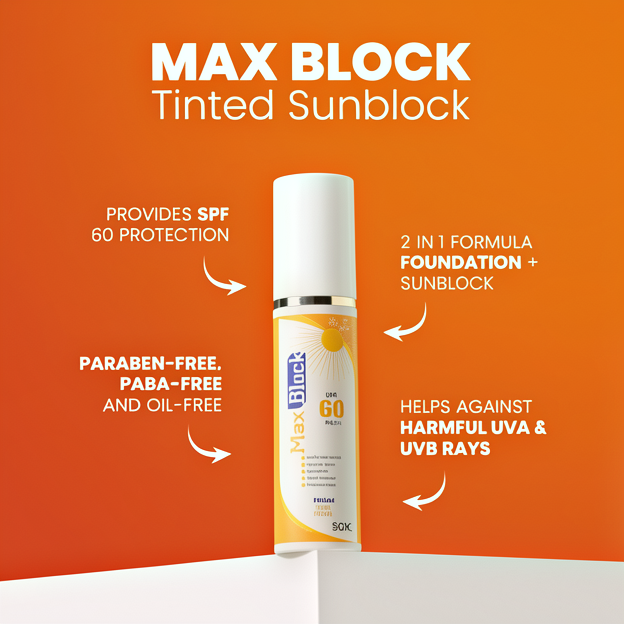
Why Oily Skin Still Needs Sunscreen
Oily skin naturally produces excess sebum, but this does not provide protection against UV rays. In fact, oily skin is just as vulnerable to sun damage as any other skin type.
Daily sunscreen use helps:
- Protect against UVA and UVB rays
- Prevent premature aging
- Reduce hyperpigmentation and dark spots
- Control inflammation and redness
- Support long-term skin health
Skipping sunscreen can worsen oil imbalance over time, as damaged skin may produce even more sebum as a defense response.
Understanding Oily Skin Needs
Oily skin has unique characteristics that must be considered when selecting sunscreen.
Common Traits of Oily Skin
- Excess shine on the T-zone
- Enlarged pores
- Acne or breakouts
- Sticky or heavy feeling after skincare products
Because of these concerns, lightweight formulations are essential for daily use.
How to Choose Sunblock for Oily Skin
Selecting the right sunscreen involves understanding ingredients, texture, and formulation type.
Look for Oil-Free Formulas
Oil-free sunscreens help reduce greasiness and prevent clogged pores. These formulas are designed to absorb quickly without leaving residue.
Choose Non-Comedogenic Products
Non-comedogenic sunscreens are less likely to block pores, making them ideal for acne-prone skin.
Prefer Gel or Matte Textures
Gel-based and matte-finish sunscreens help control shine and provide a smooth, lightweight feel on the skin.
SPF and PA Protection
For daily use in Pakistan’s strong sunlight, choose:
- SPF 30 to SPF 50
- PA+++ or higher for UVA protection
Key Ingredients That Work Best for Oily Skin
Some ingredients work to protect the skin from UV rays while maintaining balance.
Zinc Oxide
A gentle mineral filter that protects against UVA and UVB rays while being suitable for sensitive and oily skin.
Niacinamide
Helps regulate oil production, improves skin texture, and reduces visible pores.
Hyaluronic Acid
Provides hydration without heaviness, keeping skin balanced and fresh.
Silica
Helps absorb excess oil and maintain a matte finish throughout the day.
Benefits of Using the Right Sunblock
Choosing a suitable sunscreen offers both immediate and long-term benefits.
Oil Control and Matte Finish
Lightweight sunscreens help reduce shine and keep skin looking fresh.
Prevention of Acne Marks
UV exposure can darken acne scars.Good sun protection supports clearer skin by preventing additional pigmentation..
Anti-Aging Protection
Sunscreen helps reduce fine lines, wrinkles, and sunspots caused by UV damage.
Improved Skin Tone
Regular use leads to more even and radiant skin over time.
QHC emphasizes daily sun protection as a core part of a healthy skincare routine.
Daily Application Tips for Oily Skin
Proper usage improves sunscreen effectiveness and comfort.
Apply on Clean Skin
Always apply sunscreen after cleansing and moisturizing for best results.
Use the Right Amount
A small amount is not enough.Use a two finger-length amount to ensure full coverage of the face.
Reapply During the Day
Reapply every 2–3 hours when exposed to sunlight, especially outdoors.
Layer Lightly
Avoid heavy layering of skincare before sunscreen to prevent greasiness.
Common Mistakes to Avoid
Many users reduce sunscreen effectiveness without realizing it.
Skipping Sunscreen Indoors
UV rays can penetrate windows, so daily use is still necessary.
Using Heavy Cream-Based Sunscreens
Thick formulas can increase oiliness and discomfort.
Not Reapplying
One-time application is not enough for all-day protection.
Mixing Sunscreen with Makeup Incorrectly
This can reduce SPF effectiveness and cause uneven coverage.
Seasonal Considerations in Pakistan
Pakistan’s climate makes sunscreen essential throughout the year.
Summer Use
- Choose gel-based, matte sunscreens
- Focus on oil control and sweat resistance
Winter Use
- Hydrating sunscreen formulas are better
- Skin may still require UV protection despite cooler weather
To support healthy skin year-round, QHC recommends modifying your routine with the seasons.
Why Sun Protection Matters for Long-Term Skin Health
Sun damage is a key reason behind early signs of aging and uneven pigmentation. A consistent sunscreen routine helps maintain youthful, even-toned, and healthy-looking skin.
With regular use, sunscreen supports:
- Stronger skin barrier
- Reduced pigmentation
- Smoother texture
- Healthier glow
QHC promotes daily sunscreen use as an essential step in preventive skincare, especially for oily and acne-prone skin types.
Summary
Choosing the right sunscreen for oily skin is about balancing protection with comfort. Lightweight, oil-free, and non-comedogenic formulas help maintain a matte finish while protecting against harmful UV rays.
By selecting suitable ingredients, applying sunscreen correctly, and staying consistent, you can prevent long-term skin damage and maintain a clear, healthy complexion.
With QHC skincare philosophy focusing on balance and protection, achieving effective sun defense becomes simple and practical for everyday use. Prioritizing the right sunscreen is one of the most important steps toward long-lasting skin health.
FAQ Section
1. Can oily skin use sunscreen daily?
Yes, oily skin should use sunscreen daily to prevent sun damage, pigmentation, and premature aging.
2. Which type of sunscreen is best for oily skin?
Gel-based, oil-free, and non-comedogenic sunscreens work best for oily skin.
3. Does sunscreen make oily skin worse?
No, using the right lightweight formula actually helps control oil and protect skin health.
4. How often should sunscreen be reapplied?
It should be reapplied every 2–3 hours when exposed to sunlight.
5. Can sunscreen help with acne marks?
Yes, sunscreen helps prevent acne marks from darkening due to sun exposure.